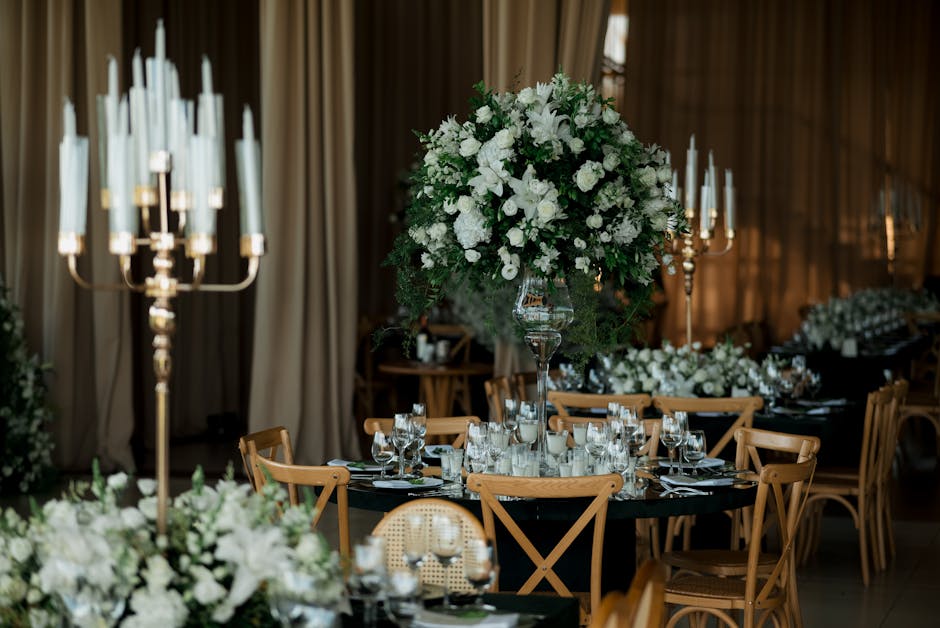
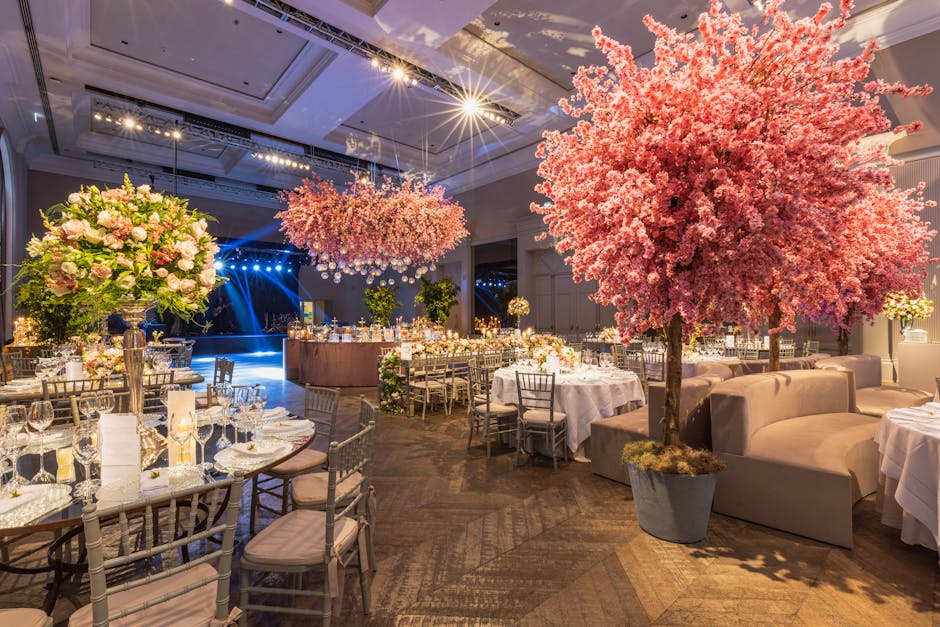
Corporate Event Florals: Timeline for UK Planners
If you've ever tried to coordinate flowers for a busy conference, awards night, product launch, or boardroom reception, you'll know the tricky bit is rarely the flowers themselves. It's the timing. Corporate Event Florals: Timeline for UK Planners is really about building a calm, workable schedule so the final arrangements arrive fresh, fit the venue, and land exactly when everyone else's plans are wobbling a bit. In practice, that means knowing when to brief your florist, when to confirm quantities, and how to avoid last-minute panic on the day.
Truth be told, the best event florals look effortless because someone planned them carefully. This guide walks you through the timeline step by step, with practical UK-specific considerations, real-world coordination advice, and a few things that are easy to miss until you're standing in a venue at 7:30 in the morning wondering where the foliage went. Not ideal.
For planners who need reliable supplier communication, it also helps to understand how a florist handles corporate accounts and repeat ordering, plus the basics of delivery timing and flower care once the arrangements are on site.
Table of Contents
- Why Corporate Event Florals: Timeline for UK Planners Matters
- How Corporate Event Florals: Timeline for UK Planners Works
- Key Benefits and Practical Advantages
- Who This Is For and When It Makes Sense
- Step-by-Step Guidance
- Expert Tips for Better Results
- Common Mistakes to Avoid
- Tools, Resources and Recommendations
- Law, Compliance, Standards, or Best Practice
- Options, Methods, or Comparison Table
- Case Study or Real-World Example
- Practical Checklist
- Conclusion
- Frequently Asked Questions
Why Corporate Event Florals: Timeline for UK Planners Matters
Flowers at a corporate event do more than decorate a room. They shape first impressions, soften hard edges in modern venues, and make branded environments feel considered rather than thrown together. But the difference between polished and chaotic is usually timing. A well-ordered floral timeline helps you coordinate venue access, supplier lead times, install windows, and any last-mile changes without turning the event day into a scramble.
That matters even more in the UK, where event schedules can be tight and venue rules vary a lot. A hotel in central London may only allow loading access during a narrow early-morning slot. An office reception may need installations done before staff arrive. A conference centre might have multiple suppliers trying to use the same service lift. If your floral plan is vague, the knock-on effect can be surprisingly annoying. And expensive, too.
There's also the matter of freshness. Corporate florals often need to look good for one long day, sometimes several. The design, flower varieties, and timing of delivery all affect how long everything stays crisp. A late-arriving arrangement may still be beautiful, but if it has been rushed, left in the wrong temperature, or installed without enough water support, it can be tired by cocktail hour. Not a great look when clients are walking in with coats still on.
Practical takeaway: floral planning is not just about style. It is about logistics, venue access, freshness, and the confidence that the event will look complete from the first guest arrival to the final farewell.
For organisations that host frequent events, planning also connects to broader supplier management. If your team uses established purchasing processes, a service like corporate accounts can simplify approvals, reorders, and invoicing, which makes timeline management much easier across multiple events.
How Corporate Event Florals: Timeline for UK Planners Works
The simplest way to think about it is this: the floral timeline runs backwards from the event date. You start with the final moment you need the room ready, then work back through briefing, quotation, design sign-off, sourcing, preparation, and delivery. That approach sounds obvious, but it stops a lot of problems before they start.
Most corporate event florals follow a similar pattern, although the lead time depends on scale and complexity. A small reception with table arrangements may need a shorter window. A large gala with entrance pieces, stage florals, breakout room designs, and branded installations needs more time because there are more moving parts. More people, more decisions, more chances for something to drift.
In a typical UK planning cycle, the florist will want details such as:
- event date, venue, and access times
- guest numbers and room layout
- brand colours, mood, and the formality of the event
- whether flowers need to be durable for multiple hours or only for a short window
- delivery, set-up, and collection requirements
- any accessibility or safety constraints at the venue
Once those details are clear, the florist can advise on flower availability, seasonal options, and installation logistics. If the brief is looser, they may suggest a style-first approach: for example, "clean white arrangements for a finance summit" or "brighter, slightly more relaxed stems for a summer client drinks reception." That's often enough to get the ball rolling.
One thing planners sometimes underestimate is the time needed for approval. You might know what you want within ten minutes, but internal sign-off can take a week. Finance might want cost clarity, marketing may want to check brand alignment, and the venue might need to review installation details. That's normal. Just build it into the timeline from day one.
Key Benefits and Practical Advantages
A structured floral timeline does more than reduce stress. It gives you control. That's the real benefit. And in corporate events, control usually means fewer awkward surprises and a smoother guest experience.
- Better freshness: flowers can be ordered, conditioned, and delivered at the right point in their life cycle.
- Cleaner budgeting: early planning helps lock in the scale of the installation before costs creep.
- Less venue friction: coordinated timings reduce clashes with AV teams, caterers, and security.
- More design consistency: colour palettes and container choices can be confirmed against the wider event branding.
- Improved backup planning: if a stem choice is unavailable, there is time to substitute sensibly rather than panic.
- Stronger client confidence: when floral planning feels organised, the whole event tends to feel more professional.
There's also a less obvious advantage: a good timeline helps your florist make better recommendations. If they know the event date early, they can steer you towards seasonal flowers that are easier to source and hold up well under indoor lighting. If they know the install window is short, they can plan a streamlined set-up. That kind of insight is hard to get when the brief arrives two days before the event.
For planners who care about sustainability, timing helps here as well. It is easier to choose seasonal stems, reduce waste, and align delivery more efficiently when the order is placed early. If that matters to your organisation, you may want to review the florist's sustainability approach before confirming the brief.
Who This Is For and When It Makes Sense
This timeline is useful for anyone responsible for making a corporate space look polished on a deadline. That includes in-house events teams, executive assistants, office managers, marketers, venue coordinators, and agency planners juggling several suppliers at once. If you're the person everyone turns to because "the room needs to look right," this is for you.
It makes particular sense for:
- conference and exhibition planners
- hotel and hospitality teams
- brand activations and product launches
- company anniversary events
- awards dinners and receptions
- client entertaining and board-level functions
- internal celebrations, such as promotions or office openings
Some events can be handled fairly quickly. A small reception desk arrangement, for example, may only need a short lead time if the supplier is local and the design is simple. But once you start adding multiple table centres, feature pieces, or venue-wide styling, the timeline becomes more sensitive. More floral elements means more coordination, and that means more scope for things to slip.
In our experience, the planners who benefit most from a clear timeline are the ones balancing several vendors. They don't necessarily need more flowers. They need less uncertainty. A neat, realistic schedule is a relief, really.
Step-by-Step Guidance
Below is a practical way to plan corporate event florals from the first conversation to the final collection. The exact timeframes vary, but the sequence stays broadly the same.
1. Start with the event brief
Begin with the basics: venue, date, guest numbers, event type, and overall look and feel. If the event is branded, share logo colours, existing artwork, and any visual references. A florist does not need a full brand strategy deck, but they do need enough information to understand the tone. Is this formal, celebratory, minimal, or slightly playful?
2. Check the venue rules early
This is one of the most common pinch points. Ask about access, set-up windows, parking, loading bays, lift dimensions, fire regulations, and whether open flames are permitted near floral displays. Some venues are wonderfully helpful. Others... less so. Either way, get the details early and write them down.
3. Confirm the floral scope
Decide what you actually need. That may include reception arrangements, table centres, stage pieces, meeting room flowers, press backdrops, or statement installations. It helps to separate "essential" from "nice to have." Otherwise budgets drift, and suddenly the lobby has a grand display while the dinner tables are left looking a bit plain.
4. Request options and availability advice
An experienced florist should be able to suggest seasonal options, durability considerations, and alternative stems if certain flowers are unavailable. At this stage, ask about size, visual weight, and how the arrangements will behave in the room. A tall vase might look elegant on a spreadsheet, but in a low-ceilinged room it can feel awkward fast.
5. Approve the quote and design direction
Once you've agreed the scope, confirm the budget, any variations, and whether installation, collection, or additional mechanics are included. If your organisation prefers structured procurement, you may also want to align with the supplier's payment process and check the relevant terms and conditions before sign-off.
6. Lock the final numbers and timings
About one to two weeks before the event, confirm any final guest count changes, table layouts, and access details. If the florist is supplying several different elements, this is the moment to make sure everything still fits the venue plan. Small changes are normal. A big room shift at the last minute is where trouble starts.
7. Prepare for delivery day
Make sure someone from the client side is available to receive the delivery, direct the installation team, and approve placement if needed. If flowers are going to sit in a lobby or meeting room before the event starts, ask about simple care guidance so they stay in good condition. For longer displays, refer to the florist's flower care advice and, if applicable, their guarantee information.
8. Plan collection or repurposing
Don't forget the end of the event. Will arrangements be collected the same night, the next morning, or left for a second day? Could some flowers be moved from the welcome desk to breakout rooms? Repurposing is a simple way to get more value from the budget, and it often works better than people expect.
| Timeline stage | Typical focus | Why it matters |
|---|---|---|
| Initial brief | Date, venue, scope, tone | Sets the whole direction |
| Venue check | Access, restrictions, timings | Avoids operational headaches |
| Design and quote | Style, seasonal stems, budget | Keeps expectations realistic |
| Final confirmation | Guest count, layout, logistics | Reduces last-minute changes |
| Delivery and install | Transport, set-up, placement | Ensures flowers arrive and look right |
| Collection or reuse | Removal, repurposing, gifting | Completes the event cleanly |
Expert Tips for Better Results
If you want the florals to look polished without overcomplicating the process, keep these points in mind.
Think in layers, not just centrepieces. The best corporate floral schemes usually have a mix of sizes and functions. A small reception arrangement, a few table pieces, and one statement area can feel much more complete than pouring the budget into a single moment.
Choose flowers that behave well indoors. Some flowers look stunning but are a little dramatic once they're out of water and under warm lighting. Others are quietly dependable. A good florist will explain the difference without making it feel like a lecture.
Be honest about the venue. High atriums, air conditioning, sunlight, and drafty entrances all affect florals. If the lobby gets blasted by air in the afternoon, that matters. If the event space is dimly lit, colour reads differently. Little details, big difference.
Build in buffer time. This is especially useful in London and other busy UK cities where access can be awkward. If the venue says 8:00 a.m. for delivery, don't plan your floral install as if that means 8:00 a.m. on the dot and everything else will simply fall into place.
Keep substitutions simple. If a specific bloom is unavailable, ask for alternatives that match shape, tone, and durability rather than focusing on the exact name. That keeps the design coherent. Better a thoughtful substitution than a forced delay.
Use one decision-maker where possible. Nothing slows down florals like five people approving the colour palette independently. A single point of contact saves time and, honestly, a lot of email traffic.
And a small but useful one: request a photo of the delivered work if the event is happening before you arrive. It's a reassuring habit, especially for early setups. You can check the room from your phone while still wrestling with your own morning coffee. Very glamorous, obviously.
Common Mistakes to Avoid
The most avoidable floral problems are usually planning problems, not design problems. Here are the big ones.
- Leaving the brief too late: short notice limits design choices and makes sourcing harder.
- Ignoring venue restrictions: some spaces have access limits, loading issues, or rules around stands and water.
- Over-specifying every stem: insisting on exact flowers can make a scheme fragile if availability changes.
- Underestimating install time: larger displays often need more hands and a longer setup window.
- Forgetting collection logistics: if nobody is assigned to handle removal, arrangements can linger awkwardly after the event.
- Choosing style over practicality: a dramatic design that blocks sightlines or clashes with branding may not serve the event well.
One subtle mistake is treating flowers as an afterthought once the venue is booked. In reality, floral planning can influence how the room functions. For a dinner, for example, table height matters because guests still need to talk across the table. For a conference, a big entrance piece might be more useful than multiple smaller arrangements inside the room. It's about the experience, not just the decoration.
Tools, Resources and Recommendations
You don't need fancy software to plan corporate florals well, but a few practical tools help.
- Event run sheet: lists every supplier arrival, install window, and handover time.
- Venue contact sheet: includes operations, reception, security, and loading bay details.
- Floor plan or room sketch: helps the florist understand sightlines, access routes, and table placement.
- Approval checklist: keeps sign-off on budget, palette, and installation scope tidy.
- Backup contact list: useful if the planner is tied up on the day.
For broader supplier confidence, review the florist's trust pages too. It's not glamorous, but it matters. Pages such as about us, contact us, and returns and refund information can help you understand how they operate, how to reach them, and what happens if something goes wrong. That kind of clarity is worth its weight in roses, to be fair.
If your organisation orders regularly, it can also be worth checking whether the supplier's flower delivery service matches the timing and handling needs of corporate work. Delivery detail is not a side issue. It is the event.
Law, Compliance, Standards, or Best Practice
For corporate event florals, the main compliance concerns are usually practical rather than heavily regulated, but they still matter. UK planners should pay attention to venue rules, health and safety expectations, access procedures, and any supplier documentation requested by the site. Exact requirements vary from venue to venue, so it's wise to confirm them directly rather than assume.
Where florals involve stands, plinths, hanging installations, or significant build elements, the venue may ask about stability, walkways, and how the work will be installed and removed. If flowers are placed near food areas, stages, exits, or security zones, the venue may have additional rules. None of this is unusual. It is just part of working responsibly.
If you are sourcing for a business or public-sector client, supplier transparency can also matter. Review data handling, purchasing terms, and any relevant corporate documentation before placing orders. The following pages are useful starting points: privacy policy, modern slavery statement, and the supplier's general guarantees. They won't make the flowers prettier, obviously, but they do help with due diligence.
For any event open to the public or staffed by third parties, accessibility should also be considered. Keep entrances clear, avoid blocking routes, and ensure installations do not create trip hazards or obscure signage. If you need to understand the accessibility standards of the website or supplier journey itself, there is also an accessibility statement available.
Options, Methods, or Comparison Table
Different corporate events need different floral approaches. A timeline helps, but so does choosing the right method for the brief.
| Method | Best for | Lead time | Watch-outs |
|---|---|---|---|
| Simple desk or reception arrangements | Offices, meetings, small receptions | Short to moderate | Easy to overlook if the event grows |
| Seasonal mixed designs | Conferences, dinners, hospitality spaces | Moderate | Needs sensible substitution planning |
| Branded floral styling | Launches, PR events, client-facing activations | Moderate to long | Colour matching can add approval time |
| Large feature installations | Galas, awards, statement entrances | Long | Requires venue checks, install access, and more hands |
| Multi-room floral package | Conferences, hotels, corporate away days | Long | Coordination is the main challenge |
If you're unsure which route fits, start with the event goal. Do you need a quiet, elegant backdrop, or something people will photograph the second they walk in? That one question usually narrows the options fast. Not always neatly, but enough.
Case Study or Real-World Example
Imagine a London consultancy hosting a client reception in a hotel near Liverpool Street. The event is modest in size, but the room needs to feel professional, warm, and unmistakably "on brand." The planner has six weeks, which sounds comfortable until the venue confirms a narrow delivery window and the client asks for a subtle colour palette that must avoid one of the original house colours.
Here's how the timeline plays out:
- Week 6: brief is shared with venue details, guest numbers, and brand references.
- Week 5: florist suggests a seasonal palette and confirms the best delivery window.
- Week 4: budget and scope are approved, with one entrance arrangement and several table pieces.
- Week 2: final layout is checked against the venue plan and guest count.
- 48 hours before: delivery is confirmed and a backup contact is assigned onsite.
- Event day: flowers are installed before guest arrival, and a couple of arrangements are later moved into breakout spaces.
The result is calm, tidy, and suitably polished. Nothing dramatic happened. Which, for a planner, is often the best compliment going. The event looked like it had been arranged with ease, even though the ease was the product of decent scheduling and a few sensible checks.
Practical Checklist
Use this as a quick working checklist when planning corporate event flowers in the UK.
- Confirm event date, venue, and room access times
- Share the event brief, including tone, brand colours, and guest count
- Check venue restrictions on delivery, parking, and installation
- Decide which floral elements are essential and which are optional
- Approve the budget and supplier quote
- Confirm seasonal availability and acceptable substitutions
- Arrange a final sign-off date for layout and quantities
- Assign an onsite contact for delivery and installation
- Ask about care guidance for arrangements staying in place during the event
- Plan collection, repurposing, or disposal after the event
- Review payment, returns, and supplier terms in advance
- Keep supplier and venue contacts saved in one place
Checklist done, and a surprising amount of stress disappears with it. Funny how that works.
Conclusion
A strong floral timeline is the difference between a corporate event that feels managed and one that feels improvised. For UK planners, the job is less about chasing perfection and more about creating enough structure for the flowers to arrive fresh, fit the venue, and support the event rather than complicate it. Once you get the timing right, everything else becomes much easier to judge.
The best results usually come from early briefings, realistic approvals, clear venue communication, and a florist who understands both the aesthetic and operational side of the job. Keep the process simple where you can, leave room for substitutions where you should, and don't underestimate the value of good logistics. That's where the real polish lives.
Whether you're planning a boardroom lunch, a product launch, or a full-scale gala, a sensible floral timeline gives you breathing space. And honestly, that breathing space is often the luxury people notice most.
Get a free quote today and see how much you can save.
Frequently Asked Questions
How far in advance should UK planners book corporate event florals?
For smaller events, a few weeks may be enough if the brief is simple and the florist has availability. For larger or more branded events, book earlier so there is time for venue checks, approvals, and sourcing. The more moving parts, the more lead time you'll want.
What information should I give a florist at the start?
Share the event date, venue, room layout, guest numbers, brand colours, the event tone, and any restrictions from the venue. If you have inspiration images, that helps too. Even a rough brief is useful if it's honest and specific.
Can corporate event flowers be delivered on the same day?
Sometimes yes, especially for smaller arrangements and local delivery. But same-day work is more sensitive to access issues, traffic, and installation timing. For anything more complex, earlier planning is safer and usually gives better results.
How do I choose flowers that last through a long event?
Ask for varieties known to hold well indoors and for your event's temperature, lighting, and duration. A good florist will suggest flowers that suit the space rather than just the style. That balance matters more than people think.
What if my guest count changes after I've ordered?
Tell the florist as soon as you know. Small changes can often be absorbed, but bigger changes may affect the number of table arrangements or the size of the installation. The earlier you communicate, the easier it is to adjust without waste.
Are seasonal flowers better for corporate events?
Usually, yes. Seasonal flowers are often easier to source, fresher in appearance, and more cost-efficient. They can also look more natural in the room. If your branding needs a specific colour palette, a florist can often build that into a seasonal scheme.
Do I need to worry about venue rules for floral installations?
Yes. Always check access routes, load-in times, fire safety rules, and whether the venue allows stands or large arrangements. Some venues are very flexible, while others are strict. Better to ask early than discover a problem on the day.
What's the difference between a simple arrangement and a full floral styling package?
A simple arrangement usually covers a few discrete pieces, like reception and table flowers. A styling package is broader and may include multiple rooms, installations, branded features, and install/collection planning. The timeline and coordination needs are very different.
How do corporate accounts help with event florals?
They can make repeat ordering, invoicing, and supplier management much simpler for organisations that host events regularly. If your team orders often, a corporate account can save time and reduce admin.
What should I check in the supplier terms before confirming an order?
Look at payment timing, delivery expectations, returns and refund rules, and any guarantee information. It's not the most exciting part of planning, but it protects everyone and avoids awkward conversations later.
How should flowers be handled after delivery?
Keep them in a suitable spot, away from heat, direct sun, and draughts. If the florist gives care guidance, follow it closely. A little attention on arrival can make a visible difference several hours later.
What's the best way to avoid last-minute floral stress?
Lock the venue details early, confirm the final layout before the event, and assign one person to manage supplier contact on the day. The real trick is not doing everything yourself. A tidy timeline does a lot of the heavy lifting.