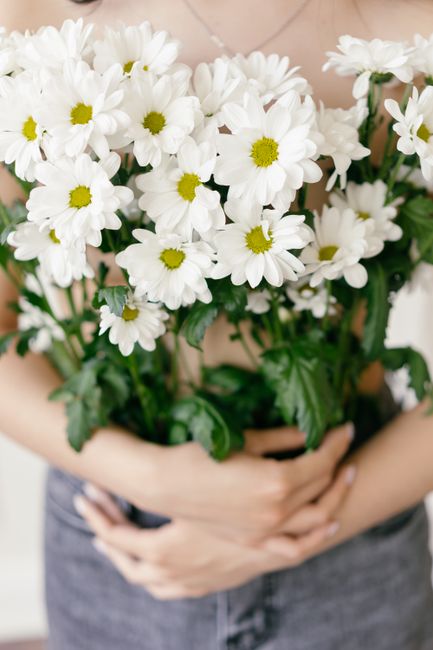
Debunking Myths About Allergies and Fresh-Cut Flowers

If you've ever paused at a florist's window and thought, "Will those flowers set my allergies off?", you're not alone. Fresh-cut flowers get blamed for all sorts of things: sneezing, watery eyes, headaches, even "making the room worse". Some of that worry is understandable, but a lot of it is plain myth. Debunking myths about allergies and fresh-cut flowers matters because the wrong advice can stop people enjoying beautiful blooms for no good reason. And let's face it, flowers are meant to lift a room, not become a source of unnecessary stress.
This guide separates fact from fiction in a practical, human way. You'll learn what actually triggers floral allergies, which flowers are usually easier to live with, what buyers often get wrong, and how to choose arrangements more confidently at home, in offices, or for gifts. A few of the answers may surprise you. Truth be told, the pollen conversation is often more straightforward than people think.
Why Debunking Myths About Allergies and Fresh-Cut Flowers Matters
The short version? Because the myth often causes more harm than the flowers do. People may avoid sending sympathy flowers, skip table arrangements for a wedding, or refuse to bring blooms into a home where no one has even reacted to them before. That can be a shame, especially when the real issue is usually a specific allergy, a fragrance sensitivity, or poor handling of flowers rather than "flowers" as a whole.
Fresh-cut flowers are not one single allergen. Different stems, different pollen loads, different scents, different people. A bunch of roses on a kitchen table is not the same as a room full of high-pollen lilies or a bouquet that's shedding pollen everywhere on a warm afternoon. You know that faint dusting on a windowsill? Sometimes that's all it takes for a person to assume the flowers are the culprit, when the real trigger may be dust, open windows, or even seasonal pollen drifting in from outside.
This matters at home, but it also matters commercially. Florists, event planners, offices, care homes, hospitality venues, and gift buyers all benefit from getting this right. The goal is not to pretend allergy risks do not exist. The goal is to understand them properly, so choices are calmer, safer, and more thoughtful.
Expert summary: Most fresh-cut flowers do not cause problems for most people. Allergic reactions are more often linked to specific high-pollen flowers, strong fragrances, or poor floral hygiene than to bouquets in general.
How Debunking Myths About Allergies and Fresh-Cut Flowers Works
To debunk the myths, you first need a simple picture of how floral allergies usually happen. There are three main routes.
- Pollen exposure: Some flowers release pollen that can irritate the nose, eyes, or throat, especially if the pollen is airborne or brushed onto surfaces.
- Fragrance sensitivity: Certain flowers are strongly scented. That scent can bother people who are sensitive to perfumes, essential oils, or strong smells generally.
- Contact irritation: Less common, but some people react to sap, plant juices, or residue on stems and leaves after handling flowers.
Here's the bit that tends to be overlooked: not all flowers are equally troublesome. Some popular blooms are relatively low-pollen because their pollen is contained or less likely to become airborne. Others, especially some lilies and daisies, can release more pollen or create more visible residue. The difference is practical, not just botanical. If you've ever seen yellow pollen all over a dining table, you already know why people get nervous.
Another important point is timing. Symptoms that appear when you put flowers in the room are not automatically caused by the flowers themselves. They could be linked to the season, ventilation, dust levels, or other plants in the same space. In a typical British home with windows open on a breezy spring day, pollen from outdoors can get in quite easily. That makes the story messier than people expect.
So the myth-busting process is really this: identify the likely trigger, compare the flower type, consider the environment, and then make a sensible choice. No drama. No guesswork. Well, less guesswork anyway.
Key Benefits and Practical Advantages
Getting the facts right about allergies and fresh-cut flowers has real benefits. Some are emotional, some are practical, and some are just good common sense.
- More confidence when buying flowers: You can choose arrangements without second-guessing every stem.
- Better gifting decisions: A thoughtful bouquet becomes genuinely thoughtful, not accidentally awkward.
- Fewer avoidable symptoms: If someone is sensitive, you can reduce exposure by picking the right blooms and handling them properly.
- Better indoor enjoyment: Flowers can brighten kitchens, reception spaces, and event tables without becoming a nuisance.
- Less waste: When people understand what truly causes reactions, they are less likely to reject perfectly suitable flowers.
There's also a softer benefit: peace of mind. If you've ever been the person worrying whether a bouquet will be "too much", you'll know how quickly anxiety takes the pleasure out of a simple gift. Once you understand the basics, flowers stop feeling risky and start feeling easy again.
For businesses, that can translate into smoother customer conversations too. A florist who can explain why one arrangement is better for a sensitive recipient will usually come across as more trustworthy than one who just says, "All flowers are fine." That kind of honest guidance goes a long way.
Who This Is For and When It Makes Sense
This topic is useful for a surprisingly wide range of people. If you recognise yourself in any of the following, it's worth paying attention.
- People with seasonal allergies: You may want flowers but need a smarter way to choose them.
- Gift buyers: You're sending flowers to a home, hospital, office, or event and want to avoid causing discomfort.
- Florists and floral retailers: You need practical language to help customers make informed choices.
- Event planners: Weddings, receptions, memorials, and corporate spaces often require low-fuss floral choices.
- Office managers and landlords: Shared environments need arrangements that are welcoming, not overpowering.
- Care settings and hospitality venues: Comfort, fragrance, and maintenance all matter.
It makes sense any time you want flowers around people you do not know intimately. That's the real test. In your own living room, you already know what you can tolerate. In someone else's home or workplace, you're making a careful guess, so a little knowledge saves a lot of awkwardness.
And if you've been avoiding flowers altogether because of an old bad experience, this is especially relevant. Sometimes one strong-smelling bouquet or one pollen-heavy arrangement creates a lasting impression. Fair enough. But one incident does not define every fresh-cut flower under the sun.
Step-by-Step Guidance
Here's a clear way to choose flowers with allergy awareness in mind. Nothing fancy. Just a sensible process.
- Identify the likely sensitivity. Is the issue pollen, scent, or touch? If the person says "flowers make me sneeze," ask gently whether it's any flowers or just some types.
- Choose lower-disruption blooms. Look for flowers that are less likely to shed visible pollen or overwhelm a room with fragrance.
- Avoid very pollen-heavy arrangements for sensitive spaces. If the bouquet is for a shared office, a hospital room, or a smaller flat, keep it modest and clean.
- Check the condition on arrival. Fresh, well-handled flowers are less likely to shed mess or deteriorate quickly.
- Remove obvious pollen sources carefully. Some flowers have visible stamens or pollen-heavy parts that can be reduced with careful trimming or wrapping.
- Place the arrangement thoughtfully. A well-ventilated spot is often better than a cramped corner. Not directly beside a radiator, either. That tends to age flowers fast and can amplify fragrance.
- Monitor the reaction. If symptoms appear, move the flowers first before assuming the entire house is the problem. That simple test tells you a lot.
If you are buying flowers for someone with known sensitivities, do not be shy about asking the florist what they would recommend. A good florist should be able to talk you through bloom choice, scent level, and arrangement style in plain English. If they can't, that's... a bit of a red flag, to be honest.
Expert Tips for Better Results
Small choices make a big difference here. In our experience, the people who have the best results are not the ones who memorise flower names. They're the ones who pay attention to the little stuff.
Choose the arrangement style as carefully as the flowers
A compact, well-finished bouquet often creates fewer issues than a sprawling arrangement with lots of loose pollen-bearing stems. A tidy hand-tied bouquet can be easier to manage than a big dramatic display that looks lovely for five minutes and then starts dropping bits on the table.
Mind the scent level, not just the pollen
Some people tolerate pollen but dislike fragrance. Others are the opposite. A strongly perfumed flower may be beautiful in a hallway but overwhelming in a bedroom. If you're ever unsure, think of the room as part of the product. The same bouquet can feel elegant in a large lobby and a bit much on a small bedside table.
Keep flowers fresh and clean
Fresh water, clean vases, and regular stem trimming all help reduce the chance of unpleasant odours and decay. A bouquet that starts to go off can become more irritating simply because it looks and smells tired. Nobody wants that. Not in a kitchen, not anywhere.
Consider the season and the setting
Spring and early summer can already be high-pollen seasons in the UK, so if someone is sensitive, adding a pollen-heavy bouquet may be a bad idea. Indoors, central heating can dry out petals faster. At a wedding or event, flowers can also sit under warm lights for hours. That changes the equation a bit.
Ask about handling before delivery
For customers, one useful question is whether the flowers are prepared in a way that reduces pollen shedding. The answer will depend on the stem and the design, but asking shows you are thinking ahead. That usually leads to better recommendations.
Common Mistakes to Avoid
Most flower allergy problems come from avoidable assumptions. Here are the ones that show up again and again.
- Assuming all flowers are equally problematic: They are not. Some are much more likely to cause issues than others.
- Ignoring fragrance sensitivity: A bouquet can be low-pollen and still too strong for a sensitive person.
- Choosing by looks alone: The most dramatic blooms are not always the most suitable, especially in smaller rooms.
- Leaving flowers in hot or poorly ventilated spaces: That can intensify smell and shorten vase life.
- Forgetting about visible pollen: If pollen is already shedding onto surfaces, the situation is easier to manage if you act early.
- Not asking the recipient: A quick, thoughtful question can prevent a pointless issue. Awkward for two seconds, useful for days.
One mistake that sounds minor but matters quite a bit: believing that "fresh-cut" automatically means "safe" or "clean". Freshness helps, yes, but freshness alone does not remove pollen or scent sensitivity. It's one piece of the puzzle, not the whole thing.
Tools, Resources and Recommendations
You do not need specialist equipment to make better floral choices, but a few simple tools and habits help.
- Clean scissors or floristry snips: Useful for fresh stem cuts and trimming away stray pollen-heavy parts where appropriate.
- A clean vase: Residue from old arrangements can create smells and shorten vase life.
- Simple note-taking: If someone reacts to certain flowers, jot it down. It saves time later.
- Florist guidance: A knowledgeable florist can often suggest lower-scent, lower-pollen alternatives quickly.
- Room awareness: Good airflow, sensible placement, and avoiding heat sources all help.
If you're sourcing flowers regularly for a venue or business, it may also help to standardise a few "safe-ish" display options that you already know work well in your space. Nothing rigid, just a short list you trust. That makes repeat decisions much easier.
If you want to explore broader flower-related buying choices and planning ideas, you may also find it useful to browse flower collections that help you compare styles and presentation more easily. For gift planning, some readers also like looking at flower delivery options when timing matters and you want the arrangement to arrive fresh.
Law, Compliance, Standards, or Best Practice
For most readers, the main issue here is not law in the strict sense, but safe and considerate best practice. In professional settings, especially hospitality, offices, and care environments, floral choices should be made with comfort, hygiene, and access in mind. That means avoiding arrangements that create unnecessary mess, strong odours, or obvious trip hazards in shared areas.
In the UK, businesses generally benefit from keeping public areas clean, clear, and comfortable for visitors, staff, and customers. While flowers themselves are not usually a compliance problem, poor placement or poor maintenance can become one. A vase on a reception counter is fine if it is stable and tidy. A leaking arrangement by a walkway is not so charming.
If someone has a known allergy, the safest approach is not to guess. Ask, note, and adapt. That is standard good practice in any customer-facing environment. It's common sense, really, but common sense is underrated.
For events, venues often make the best decisions by coordinating with florists early rather than waiting until the day before. That gives everyone time to choose less disruptive flowers, adjust scents, and avoid last-minute surprises.
Options, Methods, or Comparison Table
When people ask about allergies and fresh-cut flowers, what they often mean is: "Which flowers are safer, and which ones are more likely to bother someone?" The answer depends on the person, but this comparison can help you think it through.
| Flower choice | General allergy profile | Best use | Watch out for |
|---|---|---|---|
| Roses | Often a practical choice with moderate scent depending on variety | Gifts, dining tables, mixed bouquets | Thorns, strong fragrance in some types |
| Tulips | Usually straightforward and low-fuss | Simple home arrangements, spring displays | Can droop in warm rooms |
| Orchids | Commonly well-tolerated and elegant | Modern interiors, offices, longer display life | Needs careful handling and stable placement |
| Lilies | Can be more troublesome because of pollen and fragrance | Only if the recipient is not sensitive | Visible pollen, strong scent, staining |
| Daisies and similar high-pollen blooms | May be less suitable for sensitive people | Casual country-style arrangements | Pollen shedding, mess on surfaces |
This is not a hard rulebook. Different varieties, room conditions, and individual sensitivities all matter. But if you need a quick decision, the table above is a decent starting point.
Case Study or Real-World Example
Take a fairly ordinary situation. A small London office wants flowers for reception every fortnight. One staff member says flowers usually make her eyes itch, so the team assumes they should stop using them altogether. That would be the easy route, but not necessarily the best one.
Instead, the office manager asks what seems to cause the issue. It turns out the problem is strongest with very scented bouquets and large displays placed near the desk where air conditioning blows directly across them. The florist suggests a smaller, low-fragrance arrangement with flowers that are less likely to shed visible pollen, and the vase is moved away from the airflow. Simple change, big difference.
The result is not dramatic in a magazine sense. No grand before-and-after reveal. But the office now gets the lift of fresh flowers without anyone feeling miserable by Wednesday afternoon. That's the whole point, really. Quietly getting it right.
We've seen a similar pattern with gifts too. A buyer worries that any flowers will irritate their partner, so they almost send nothing. Once they learn the difference between fragrance-heavy lilies and more restrained options, they can give something beautiful and appropriate. The gift becomes thoughtful again instead of stressful.
Practical Checklist
Use this quick checklist before choosing or displaying fresh-cut flowers for someone with allergy concerns.
- Have you identified whether the concern is pollen, scent, or general irritation?
- Have you considered low-pollen or lower-fragrance flower options?
- Is the arrangement size suitable for the room?
- Will the flowers sit in a well-ventilated, stable place?
- Have you avoided known trigger flowers for that person?
- Is the vase clean and the water fresh?
- Are there pets, children, or vulnerable people in the space?
- Have you asked the recipient if they have a known sensitivity?
- Will the arrangement be easy to maintain?
- Do you have a backup plan if symptoms appear?
If you can tick most of those boxes, you're already ahead of the usual guesswork. And that, frankly, is half the battle.
Conclusion
Debunking myths about allergies and fresh-cut flowers is less about spoiling the romance and more about bringing a bit of clarity into the picture. Flowers do not need to be treated like a universal threat. Most of the time, the issue is specific: a certain bloom, a strong scent, a poorly placed arrangement, or an environment that was never ideal in the first place.
Once you understand that, you can choose flowers with more confidence, shop more thoughtfully, and avoid unnecessary discomfort for yourself or someone else. That means better gifts, better rooms, and fewer awkward surprises. Not a bad trade.
Get a free quote today and see how much you can save.
And if you take only one thing from this guide, make it this: the right flowers, in the right setting, can still bring real joy. Gentle, simple, and lovely. That's usually enough.
Frequently Asked Questions
Can fresh-cut flowers really cause allergies?
Yes, they can for some people. The usual triggers are pollen, strong fragrance, or direct contact with certain plant materials. But many people tolerate fresh-cut flowers well, especially when the arrangement is chosen carefully.
Are all flowers bad for people with hay fever?
No. That's one of the biggest myths. Some flowers are more likely to cause irritation than others, but "all flowers" is far too broad. The person's sensitivity and the flower type both matter.
Which fresh flowers are usually better for allergy-sensitive spaces?
Generally, lower-fragrance, lower-pollen flowers are a safer starting point. Orchids, tulips, and some rose varieties are often considered more manageable, though the exact choice should still match the individual and the room.
Are strongly scented flowers more likely to cause problems?
They can be. A strong scent may bother people who are sensitive to perfumes or intense floral fragrance, even if the flower does not shed much pollen. This is why smell matters just as much as pollen.
Can flowers trigger asthma symptoms?
They can in some cases, especially if the person is sensitive to pollen, fragrance, or airborne irritants. If someone has asthma or a known respiratory condition, it is best to choose low-disruption arrangements and avoid anything strongly scented.
Do cut flowers make indoor air worse?
Usually not in a dramatic way, but a poorly maintained arrangement can smell unpleasant as it ages. High-pollen flowers can also leave visible residue. Fresh water, clean vases, and sensible placement help a lot.
Is pollen from fresh-cut flowers different from outdoor pollen?
It can be. Some flowers produce pollen that is more visible or more likely to be stirred up indoors, while outdoor pollen often comes from trees, grasses, and weeds. The result can feel similar, but the sources are not always the same.
Should I avoid lilies if someone has allergies?
That is often a sensible precaution because lilies can be strongly scented and may shed visible pollen. They are beautiful, of course, but they are not usually the first pick for a very sensitive environment.
How can I tell if a flower arrangement is causing symptoms?
Look at timing. If symptoms improve when the arrangement is moved out of the room, that is a useful clue. Also consider whether the issue appears with a specific flower type or only in certain spaces with poor ventilation.
What should I tell a florist if I need an allergy-friendly bouquet?
Be direct and practical. Say whether the concern is pollen, fragrance, or both, and mention the setting where the flowers will be displayed. A good florist can usually suggest more suitable stems and a cleaner arrangement style.
Can I still give flowers as a gift to someone with allergies?
Yes, often you can. The key is choosing the right flowers, keeping the display modest, and understanding the recipient's sensitivity. A thoughtful bouquet can still be a lovely gift when it is selected with care.
What is the biggest myth about allergies and fresh-cut flowers?
Probably the idea that all flowers are equally risky. In reality, the type of flower, its scent, how it is handled, and where it is placed all make a difference. That's why a bit of knowledge goes such a long way.