DIY Bouquets vs Pro Florists: Cost, Time & Results Across UK
If you have ever stood in front of a pile of supermarket stems, scissors in hand, wondering whether to make the bouquet yourself or hand the job to a professional, you are not alone. The choice between DIY bouquets and pro florists across the UK usually comes down to three very real questions: how much it costs, how long it takes, and what the finished result actually looks like on the table, in the vase, or in someone's hands.
Truth be told, there is no one-size-fits-all answer. A DIY bouquet can be charming, personal, and cheaper in raw materials. A professional florist can save time, improve structure, and deliver a more polished finish, especially when the bouquet matters for a birthday, sympathy tribute, wedding, event, or last-minute gift. In this guide, we will break down the real trade-offs in plain English, show where the hidden costs usually sit, and help you decide which route makes sense for your budget, schedule, and expectations.
You will also find a practical comparison table, step-by-step guidance, a checklist, and a realistic example from a UK buying situation. If you want to understand the difference without the fluff, you are in the right place.
Why DIY Bouquets vs Pro Florists Matters
The bouquet decision sounds simple until you start pricing stems, wrapping, tape, ribbon, and delivery. Then the little costs begin to stack up. That is the main reason this topic matters: the visible price is rarely the whole price.
A DIY bouquet may look cheaper at first glance, but only if you already have some of the basics, know how to arrange flowers, and are happy to spend time trimming and styling. A professional florist, by contrast, bundles together skill, design sense, conditioning, and often the convenience of proper packaging or same-day delivery. You are not only paying for flowers. You are paying for composition, reliability, and a result that looks like it belongs in the window rather than on a kitchen counter.
For everyday gifting, the difference can be subtle. For bigger occasions, it gets more obvious. A slightly lopsided hand-tied bunch can feel lovely and personal. A professionally arranged bouquet, though, tends to hold its shape better, open more evenly, and photograph well. If you are sending flowers for a meaningful moment, that matters more than people admit.
There is also a timing angle. On a busy Friday afternoon, after work, after school pickup, and with dinner still to make, the idea of making a bouquet from scratch can turn into a bit of a faff. Professional flowers can remove that pressure completely. Let's face it, time has a cost too.
Across the UK, this choice also changes depending on where you live. In a big city, you might have faster access to florists and delivery options. In smaller towns, DIY may be attractive simply because the nearest shop is not open when you need it. Context matters. A lot.
How DIY Bouquets vs Pro Florists: Cost, Time & Results Across UK Works
The two approaches work very differently, even if the end goal is the same: a bouquet that looks fresh and feels appropriate for the occasion.
DIY bouquets
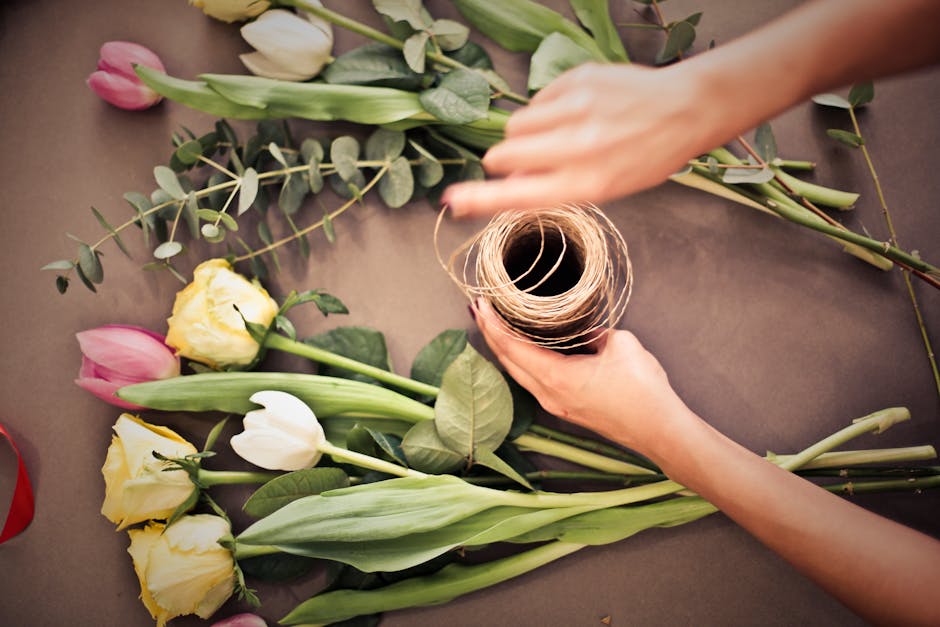
DIY usually starts with buying loose stems from a supermarket, market stall, wholesale-style supplier, or garden source. You then choose a colour palette, strip the leaves, cut stems at an angle, and build the shape by hand. If you know what you are doing, the process can be satisfying. If you do not, it can become a cycle of trim, rearrange, step back, and mutter under your breath.
The cost is made up of:
- individual flower stems or bunches
- foliage and filler flowers
- wrapping paper, string, ribbon, or vase
- snips, tape, and possibly flower food
- your time, which is easy to ignore but still real
The result can be beautiful, but it depends heavily on your eye for proportion and freshness. One bunch can look wonderfully relaxed; another can look a bit accidental. That is the honest truth.
Pro florist bouquets
Professional florists do much more than place flowers into a bundle. They condition stems properly, balance texture and height, manage freshness, and build a bouquet with a clear visual centre. In many cases, they also handle substitute stems if one flower is unavailable, which is often necessary with seasonal stock.
The cost often includes:
- expert design and labour
- quality control on freshness and appearance
- packaging suited to transport
- care instructions
- delivery options, where available
On the time side, a professional bouquet is the clear winner for convenience. You choose the style, place the order, and the heavy lifting is done for you. If you need it delivered rather than collected, the value grows again, especially when you use a service that explains delivery expectations clearly, such as the information available on delivery details and flower delivery options.
What changes across the UK
Prices and availability vary by region, season, and occasion. A simple bouquet in one part of the country may cost noticeably more somewhere else, especially in urban areas with higher overheads. During peak periods like Valentine's Day, Mother's Day, and around bank holidays, both DIY and pro routes become less predictable. Florists may charge more because demand rises. DIY buyers may find fewer choice stems on the shelf. Neither route is immune to seasonal pressure.
Key Benefits and Practical Advantages
Each option has its own strengths. The better choice depends on what you value most.
Why DIY bouquets appeal
- Lower visible spend: you can control each item you buy.
- Personal feel: home-grown flowers or hand-selected stems can feel more thoughtful.
- Creative control: you decide colour, shape, and style.
- Flexible for casual use: ideal for home, dinner tables, or a relaxed gift.
DIY is especially appealing when the bouquet is for yourself or for a low-pressure occasion. A mixed bunch in a jug on the windowsill can be lovely, and honestly, not every arrangement needs to be a masterpiece.
Why pro florists appeal
- Better finish: structure, balance, and colour harmony are usually stronger.
- Time saving: useful when you are busy, travelling, or ordering at short notice.
- Greater reliability: florists understand conditioning and handling.
- Occasion-ready presentation: better for gifts, events, and sensitive moments.
Pro florists are also the safer option if the bouquet must arrive looking polished first time. There is less guesswork. That can be comforting when the flowers are part of a bigger moment, not just decoration.
Practical summary: DIY usually wins on hands-on control and perceived value, while professional florists usually win on speed, consistency, and presentation. If the bouquet is casual, DIY often makes sense. If it needs to impress, a florist is usually the stronger bet.
Who This Is For and When It Makes Sense
This topic matters to more people than you might think. The best option is different for each buyer.
DIY bouquets make sense if you are:
- buying flowers for your own home
- creating a simple table arrangement
- comfortable with basic arranging
- trying to stretch a modest budget
- happy to accept a more natural, less polished look
If you enjoy the process, DIY can feel rewarding. There is something soothing about sorting stems on a counter, hearing the snip of secateurs, and getting the shape right. A little messy at first, yes. But satisfying.
Professional florists make sense if you are:
- sending flowers as a meaningful gift
- ordering for a wedding, event, or workplace
- short on time
- not confident with arranging
- expecting a premium finish or specific style
They are also a strong choice if you want support with care after delivery. A reliable florist should be able to advise how to keep the flowers fresh, and that advice becomes easier to follow when it is clear and practical, like the guidance on flower care.
There is no shame in choosing convenience. To be fair, most people are busy enough already.
Step-by-Step Guidance
Here is a simple way to decide which route works best for your situation.
Step 1: Define the purpose
Ask what the flowers are for. A romantic gesture, sympathy tribute, birthday, dinner party, or office reception all carry different expectations. A bouquet for a kitchen table can be looser and more playful. A bouquet for a formal occasion usually needs more shape and polish.
Step 2: Set a realistic budget
Write down the full spend, not just the headline flowers. For DIY, include wraps, ribbon, and any tools you might need to buy. For a florist, include delivery if needed. A bouquet that seems cheaper on the shelf can become less cheap once you factor in three extra stops and a forgotten vase.
Step 3: Check your time
Be honest here. Do you have thirty minutes, or do you have two hours and enough patience to experiment? If time is tight, professional help usually saves more than money. If you enjoy arranging and can do it calmly, DIY may feel worth it.
Step 4: Match the style to your skill level
Simple hand-tied bouquets are easier than complex, layered designs. If you are a beginner, keep the flower types limited and the colour palette tight. Two or three focal flowers, some foliage, and a filler bloom can look smarter than trying to cram in everything from the shop fridge.
Step 5: Decide whether presentation matters
If the bouquet will be photographed, handed over in public, or used to mark a significant occasion, professional finishing usually pays off. If it is just for your own home and you want a more relaxed feel, DIY can be perfectly lovely.
Step 6: Plan the aftercare
Fresh flowers need water, clean stems, and a cool spot away from direct heat. If you go DIY, remember that aftercare starts immediately. If you buy from a florist, follow the care instructions carefully. Small things matter: a clean vase, fresh water, and a quick stem trim can add days to the display.
Expert Tips for Better Results
Whether you go DIY or pro, a few small habits make a noticeable difference.
- Choose flowers with a similar vase life: if one flower fades fast, it can spoil the overall look early.
- Use odd numbers where possible: three, five, or seven focal stems often look more natural than pairs.
- Work with one colour story: soft neutrals, bright mixed tones, or a restrained seasonal palette usually looks more deliberate.
- Trim stems cleanly: a sharp cut helps water uptake.
- Remove leaves below the water line: this helps reduce murk and smell.
- Give the arrangement breathing room: crowded flowers can look cramped and wilt faster.
If you are buying from a florist, ask how the bouquet was made and whether any stems are likely to open more over the next day or two. That is often where the real value sits. A bouquet can look nice on arrival but still improve as it settles.
Also, do not ignore packaging. Good wrapping is not just decorative; it protects the flowers during transport and helps the bouquet arrive in better shape. The same goes for delivery timing. If you need precise timing for a gift or event, it is worth checking the local expectations and service detail on the florist's flower delivery information.
Common Mistakes to Avoid
Most bouquet disappointments come from the same few errors. They are avoidable, which is the nice bit.
1. Comparing only flower price
This is the classic trap. DIY appears cheaper because the flowers are the only visible number. But once you add tools, wrapping, transport, and your time, the gap may shrink. Not always, but enough to matter.
2. Choosing too many flower types
Beginners often try to include everything. The result can feel busy and unfocused. A cleaner design usually looks more expensive than a crowded one.
3. Ignoring freshness
Flowers that have been sitting around too long will not improve once they are in your vase. Check stems, petals, and water quality before you buy.
4. Forgetting about transport
A bouquet can look great at home and then fall apart on the journey. If it has to travel, even a short car ride, structure and wrapping matter more than people realise.
5. Expecting florist-level results with beginner skills
Nothing wrong with having a go. But if you want a design that looks shop-ready, you need time, practice, and decent materials. Otherwise, you may end up doing the floral version of baking a wedding cake on a Tuesday night. Possible? Yes. Relaxing? Not really.
Tools, Resources and Recommendations
You do not need a mountain of equipment, but a few basic items help a lot.
Useful DIY tools
- sharp scissors or secateurs
- clean vase or container
- floral tape or string
- wrapping paper or tissue
- ribbon for finishing
- fresh water and flower food
Useful professional services to consider
- delivery support for time-sensitive gifting
- care guidance for longer vase life
- clear purchase and payment information
- helpful customer support if something is not right
If you are ordering flowers online, trust signals matter. Good customer information, clear terms, and straightforward payment options help reduce stress before you buy. On a practical level, pages such as payment information, returns and refund guidance, and guarantees can help you understand what to expect before you click through.
For buyers who care about sourcing and ethics, it is also sensible to look at the business's stated approach to responsibility and sustainability. That is not just a nice extra; it is part of a more informed purchase. You can review pages like sustainability and modern slavery statement to understand the company's published standards.
Law, Compliance, Standards, or Best Practice
For bouquet buying, the main compliance concerns are usually straightforward consumer expectations rather than complex legal rules. In the UK, the important things are clarity, fairness, and accurate descriptions. If a florist says a bouquet includes certain flowers, that should broadly match what is delivered, allowing for normal seasonal substitutions where those are clearly explained.
Best practice on the customer side is simple: read the product description, delivery terms, refund conditions, and care instructions before you buy. That is especially sensible for time-sensitive gifts, same-day orders, and arrangements ordered for events. A bouquet is a living product, so a little flexibility is normal. But it should still be honest, fresh, and fit for purpose.
It is also wise to remember that flower care matters after delivery. If a bouquet arrives in the morning and sits in a warm room all afternoon, the outcome will not be the same as one placed in water quickly. Nothing dramatic, just common sense really.
When in doubt, check the florist's published policies and contact route. Clear information on contact options and about the company can be reassuring because it shows how a business handles questions and accountability.
Options, Methods, or Comparison Table
Here is the simplest way to compare DIY bouquets and professional florists across the UK.
| Factor | DIY Bouquet | Pro Florist |
|---|---|---|
| Upfront cost | Often lower, especially for simple arrangements | Usually higher because labour and expertise are included |
| Hidden costs | Tools, wraps, transport, and time can add up | Fewer surprises if the price includes presentation and delivery |
| Time required | Moderate to high, depending on experience | Low for the buyer, since the florist handles the work |
| Appearance | Can be charming or uneven, depending on skill | Usually more balanced, polished, and consistent |
| Best for | Home use, casual gifting, creative control | Special occasions, busy schedules, premium presentation |
| Freshness handling | Depends on how carefully flowers are sourced and arranged | Usually stronger because flowers are conditioned professionally |
| Convenience | Lower, unless you already enjoy arranging flowers | Higher, especially with delivery options |
The pattern is clear. DIY often gives you more control for less apparent spend, while professional floristry usually gives you better consistency and less hassle. Neither is inherently "better". They just solve different problems.
Case Study or Real-World Example
Imagine a customer in the UK who wants a bouquet for a Saturday dinner invitation. They have two choices.
Option one: DIY. They buy a selection of stems from a local shop on Friday evening, plus wrapping paper, ribbon, and a vase they already own. They spend time trimming, grouping, and reworking the shape until it feels right. The bouquet ends up fresh and pleasant, with a slightly wild, relaxed style. Lovely, but not especially polished. The whole process takes longer than expected because one stem droops and another dominates the arrangement. A familiar story, really.
Option two: pro florist. They place an order online, choose a hand-tied bouquet, and arrange delivery or collection. The bouquet arrives balanced, tied neatly, and ready to place in water. It takes less personal effort, looks more refined, and fits the occasion with less stress. The cost is higher on paper, but the time saved and presentation level are both stronger.
In this kind of situation, the deciding factor is usually the event itself. If the flowers are part of a casual meal, DIY can feel warm and personal. If the flowers are part of a formal celebration or a gift where first impressions matter, a professional arrangement is often worth it.
That balance is why so many buyers move between both approaches depending on the day. There is nothing inconsistent about that. It is just practical.
Practical Checklist
Use this quick checklist before you choose DIY or a pro florist.
- What is the bouquet for?
- How important is the first impression?
- Do I have the time to make it properly?
- Do I already own the tools I need?
- Am I comfortable arranging flowers by hand?
- Do I need delivery or collection?
- Is freshness more important than saving a little money?
- Have I checked care instructions and delivery timing?
- Do I need a guaranteed polished result?
- Would I be disappointed if the bouquet looked slightly uneven?
If you can answer those questions honestly, the decision becomes much easier. Sometimes the answer will be DIY. Sometimes it will be "let the florist handle it". Both are fine.
Conclusion
DIY bouquets and professional florists both have a place in the UK flower market, but they serve different needs. DIY is often the better option for casual occasions, creative people, and anyone trying to keep visible costs down. Professional florists are usually the stronger choice when time is short, presentation matters, or the bouquet carries emotional weight.
The smartest approach is not to ask which option is always cheaper. Ask which option is cheaper once you count everything that matters: your time, the tools, the freshness, the delivery, and the result you actually want on the day. That is where the real answer lives.
And if you want a bouquet that arrives with less fuss and more polish, it may be worth letting a specialist do the heavy lifting. A good arrangement has a way of lifting the whole room, even on an ordinary Tuesday morning.
Get a free quote today and see how much you can save.
Frequently Asked Questions
Are DIY bouquets really cheaper than professional florists in the UK?
Usually, DIY bouquets look cheaper at first because you only see the flower cost. Once you add ribbon, wrapping, tools, transport, and your time, the gap can shrink. For simple home arrangements, DIY often saves money. For gift-ready bouquets, the savings may be smaller than expected.
Which looks better: a DIY bouquet or a florist-made bouquet?
A florist-made bouquet usually looks more balanced and polished because it is arranged by someone with experience. A DIY bouquet can still look lovely, especially if you keep the design simple and work with a limited colour palette. The final result depends a lot on skill and time.
How long does it take to make a DIY bouquet?
A simple bouquet might take 20 to 40 minutes if you know what you are doing. A beginner could take much longer, especially if they keep adjusting the shape. If you are making several bouquets or working with delicate stems, allow extra time. A rushed arrangement often shows it.
When should I choose a professional florist instead of DIY?
Choose a florist when the bouquet is for a special event, a gift, a sympathy occasion, or any situation where presentation really matters. A florist is also the better option when you are busy, travelling, or need delivery support. Convenience counts more than people think.
Is DIY a good option for weddings or events?
It can be, but only if the designs are simple, the number of arrangements is manageable, and you have enough time and help. For larger weddings or formal events, a professional florist is often worth it because consistency matters and there is less room for error. One bent stem is fine; fifty? Less fine.
Do florists in the UK charge more during busy times?
They often do, especially around popular flower-buying periods such as Valentine's Day and Mother's Day. Demand can affect prices and availability, so it is sensible to plan early if the bouquet matters. DIY shoppers can feel that pressure too, because better stems sell out faster.
How can I make a DIY bouquet look more professional?
Keep the palette simple, use flowers with similar vase life, remove leaves below the water line, and trim stems cleanly. Try to avoid overcrowding the bouquet. Sometimes the most professional-looking arrangement is the one with the least fuss.
What should I check before ordering from a florist online?
Look at the delivery details, product description, care guidance, payment information, and refund or guarantee terms. It also helps to check how to contact the business if something goes wrong. Clear information usually means a smoother experience.
Do professional bouquets last longer than DIY ones?
They often do, because florists usually condition the stems and package them properly. That said, aftercare matters just as much. A well-made bouquet can still fade quickly if it is left in a warm room without water. Fresh flowers are a bit needy. That is just how they are.
Can I mix DIY flowers with florist flowers?
Yes, and this can be a smart middle ground. You might buy a professionally arranged bouquet and add a few home-grown stems or extra foliage for a more personal touch. Just try to match freshness and style so the final arrangement feels intentional rather than patched together.
What is the biggest hidden cost of DIY bouquets?
The biggest hidden cost is usually time. It is easy to focus on the bouquet itself and forget the hours spent selecting, trimming, wrapping, and fixing mistakes. If you enjoy the process, that time may feel worthwhile. If you are in a rush, a florist can be better value overall.
How do I decide between cost, time, and result?
Start with the result you want. Then decide how much time you can give it and what you are comfortable spending. If you want a relaxed, personal bouquet and have time to spare, DIY is a good fit. If you want a polished result with minimal effort, a professional florist usually wins.
For buyers who want a straightforward flower order with useful support, it helps to review practical details like guarantees, returns and refund guidance, and the business's stated approach to responsible sourcing through sustainability. A little reassurance goes a long way when the flowers matter.
Sometimes the best bouquet is the one that feels right in the moment. Simple as that.