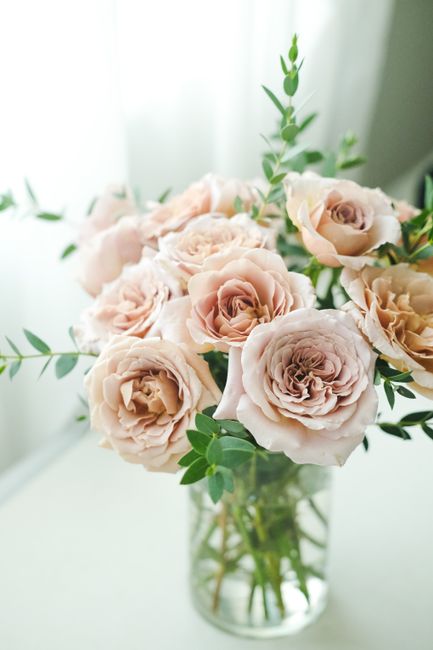
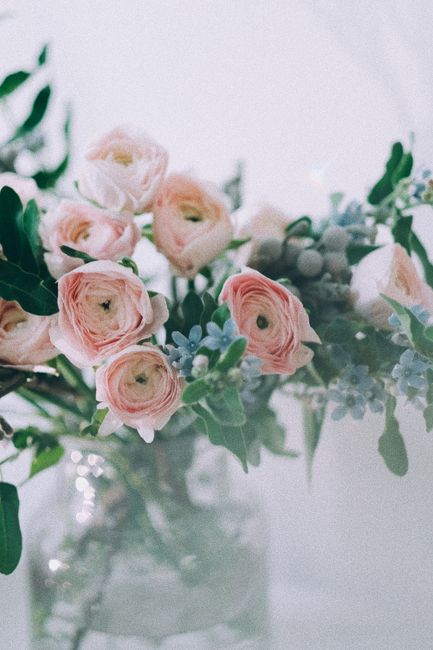
How to Prep Wedding Bouquets at Home with Florist Grade Results
If you're planning a wedding and want the flowers to look polished without handing every last detail to a florist, learning how to prep wedding bouquets at home with florist grade results can be a very smart move. It's the part most people underestimate. The flowers may be beautiful on arrival, but the difference between "lovely in the box" and "camera-ready in the bride's hands" comes down to preparation, timing, hydration, and a calm pair of hands.
Truth be told, the process is less mysterious than people think. You do not need a flower studio, and you do not need to be a trained florist. You do need a clean workspace, the right tools, and a bit of discipline. Done well, home preparation can save money, reduce stress, and give you much more control over the final look. Done badly... well, let's just say drooping roses at 8 a.m. are nobody's idea of romance.
In this guide, you'll get the practical steps, the small florist habits that make a big difference, the mistakes that quietly ruin bouquet quality, and a realistic way to prep wedding bouquets at home so they look professional on the day.
Table of Contents
- Why this matters
- How the prep process works
- Key benefits and advantages
- Who this is for
- Step-by-step guidance
- Expert tips for better results
- Common mistakes to avoid
- Tools, resources and recommendations
- Law, compliance, standards and best practice
- Options and method comparison
- Real-world example
- Practical checklist
- Conclusion
- Frequently asked questions
Why How to prep wedding bouquets at home with florist grade results Matters
The bouquet is not just a bunch of flowers. It's in photographs, held all day, carried through nerves and happy chaos, and often seen up close by every guest in the room. That means preparation matters more than many couples expect. A bouquet that hasn't been properly conditioned can look fine for an hour and then start to flag, bruise, or open unevenly.
Prepping bouquets at home also gives you practical control. You can choose the timing, check each stem, adjust colour balance, and make sure the bouquet style suits the dress, venue, and weather. If you are working with delivered flowers, it also helps to understand basic flower care before the day, which is why many people find it useful to read a provider's flower care guidance before they start.
And there's another reason it matters: weddings are full of moving parts. If you've already handled the flowers properly, that's one less thing wobbling in the background. The day can be emotional enough without wondering whether the hydrangeas are drinking enough water.
Expert summary: Florist-grade results come from three things working together: clean conditioning, careful handling, and final assembly at the right time. The flowers themselves matter, of course, but the prep often decides whether they look good or truly finished.
How How to prep wedding bouquets at home with florist grade results Works
At home, the process mirrors what florists do in a simplified way. First, flowers arrive and need to recover from transport. Then stems are cleaned, trimmed, and hydrated. After that, the bouquet is assembled, shaped, and kept in the best possible condition until use. Simple enough on paper. In practice, timing is the thing that catches people out.
Most wedding flowers need a period of conditioning. That means removing packaging, letting them rest in clean water, and trimming the stems so they can drink properly. Some blooms open quickly and should be handled later; others can be prepared earlier. A bouquet made too far in advance can lose structure, while one assembled too late can feel rushed and messy.
The method also depends on flower type. Roses, ranunculus, peonies, lisianthus, and tulips all behave differently. Roses tend to be forgiving. Tulips keep growing after cutting, which can be lovely but a bit annoying if you're trying to keep a tidy shape. Soft blooms like peonies may open rapidly in a warm room, so they need more watchful handling.
So the "how" is really a sequence: hydrate, condition, clean up the stems, build the shape, secure it properly, and store it in a cool, safe place until it's time to carry or transport it. That's the backbone of florist-grade results.
Key Benefits and Practical Advantages
There are good reasons to prep wedding bouquets at home rather than leaving everything to the last minute. The obvious one is cost, but that's only part of the picture. The less obvious benefit is control. You can make thoughtful decisions instead of panicking over whatever is happening in the room five minutes before the ceremony.
- Better budget control: You can spend more on premium stems and less on rushed last-minute handling.
- More flexibility: If a stem looks off, you can replace it or hide it before anyone notices.
- Stronger design consistency: You can match bouquet shape, ribbon, and colour palette to the rest of the day.
- Less delivery-day stress: Once flowers are properly conditioned, they are easier to manage.
- More personal involvement: A hand-prepped bouquet feels meaningful in a way that is hard to fake.
There's also the simple fact that you see every stem. A florist usually does too, of course, but at home you may spot a bruised petal or a weak stem before it becomes a visible problem. That kind of quiet precision is what lifts a bouquet from "home-made" to "well made".
Who This Is For and When It Makes Sense
This approach suits couples who want to stay hands-on without pretending they are running a full floral studio in the kitchen. It works especially well for smaller weddings, intimate ceremonies, registry office celebrations, budget-conscious planning, and DIY-friendly couples who enjoy making details themselves.
It also makes sense if your flowers are being delivered separately and you want to handle finishing touches at home. In that case, delivery timing and packing matter, so it helps to understand the seller's delivery arrangements and any stated service expectations before the flowers arrive. If you are ordering the bouquet flowers online, a clear flower delivery service can make your planning much easier, especially when the wedding day is tight.
On the other hand, this may not be the right route if you are dealing with a very large event, highly complex arrangements, or flowers that need advanced wiring and sculptural building. In that case, partial DIY is often the better compromise: prep the simpler bouquets yourself and leave the trickier work to a professional. That's not a failure. It's sensible.
Step-by-Step Guidance
Below is a practical home-prep method that keeps the process manageable and gives you the best chance of florist-quality results.
1. Prepare the workspace first
Before touching the flowers, clear a table, gather clean buckets or vases, lay out towels, and make sure your scissors or floral snips are sharp. A clean surface sounds obvious, but it saves you from bruising petals and knocking over water while you're halfway through. If the room is too warm, move what you can and work as early in the day as possible.
2. Unpack the flowers gently
Open packaging carefully and remove any binding, sleeves, or transport material. Do not yank the flowers apart. Some stems may be slightly bent from travel, and that's normal. Give each bloom a quick visual check for damage, discolouration, or broken petals. Any loose guard petals on roses can usually be removed. That is normal too.
3. Sort stems by flower type and condition
Group the flowers into types so you can treat each one appropriately. Keep the freshest, strongest blooms for the focal points. Use weaker stems in places where they can be hidden in the shape of the bouquet. Florists do this constantly; it's not being fussy, it's just smart design.
4. Trim stems at an angle
Use a clean, sharp blade or snips and cut each stem at a slight angle. This improves water uptake. Remove any leaves that would sit below the waterline, because they can rot and shorten vase life. If the stems are woody or thick, a slightly longer cut is usually better than a tiny nick.
5. Condition the flowers in water
Place the flowers in clean, fresh water and let them rest in a cool area away from direct sun, fruit bowls, radiators, and obvious kitchen heat. Different flowers behave differently, so keep an eye on them. Some will perk up in an hour or two, others need longer. If you notice a flower not drinking, check the stem end and the water temperature. Sometimes that's all it is.
6. Build the bouquet shape
When the stems are hydrated, start arranging the bouquet. Hold it at the same angle it will be carried and rotate it slowly as you add stems. Aim for balance rather than perfect symmetry. A florist-style bouquet usually has movement and variation, not a rigid, round ball of flowers. It should look intentional, not squeezed into submission.
7. Secure the stems properly
Once the bouquet is shaped, tie it carefully with floral tape, twine, or ribbon depending on the finish you want. The binding should hold the stems firmly without crushing them. If the bouquet slips in your hand, it is not secured enough. If the stems are flattened, it is too tight. There is a sweet spot, annoyingly enough.
8. Finish the handle and tidy the visible stem ends
Trim the stem ends to a neat, even length and wrap the handle cleanly. This is the stage that often separates a good DIY bouquet from a truly polished one. A clean handle looks professional in photos and feels much better to carry. If you want a soft, romantic finish, ribbon can hide a lot of seam lines. Handy, that.
9. Store correctly until needed
Keep completed bouquets in a cool place, lightly hydrated if needed, and away from direct sunlight. If you have to transport them, protect them from movement and heat. A car boot in summer is not your friend. To be fair, almost nothing floral likes that.
Expert Tips for Better Results
The biggest florist trick is not some dramatic secret. It's attention to detail. Small things, repeated consistently, create the polished result.
- Work with a cool room: Flowers last longer and look fresher when the air is cooler.
- Use the best blooms as the focal point: Put the most beautiful flowers where the eye lands first.
- Remove tired petals early: It keeps the bouquet looking intentional rather than messy.
- Keep the water fresh: Stale water shortens vase life and can make stems smell a bit off, which nobody wants.
- Build in stages: Don't force the entire bouquet together in one rushed go.
- Match the bouquet to the dress and posture: A very large bouquet can overwhelm a delicate dress, and vice versa.
One little thing people forget: the bouquet has to work from the side as well as from the front. Wedding photos catch odd angles, and guests notice the shape when the bouquet is being held at waist height, not just when it's posed on a table.
If you want to be especially careful about longevity, pair good prep with sensible aftercare. Some sellers also explain freshness expectations and replacement policies in their guarantees, which can be useful peace of mind when ordering flowers for a fixed-date event.
Common Mistakes to Avoid
Most bouquet problems come from a handful of avoidable errors. Good news: they are easy to spot once you know what to look for.
- Leaving the prep too late: This creates stress and weakens the final result.
- Using blunt scissors: They crush stems instead of cutting them cleanly.
- Overcrowding the bouquet: Too many stems can make it bulky and awkward to hold.
- Ignoring flower-specific needs: Not all blooms hydrate or open in the same way.
- Working in heat: Warm rooms speed up opening and reduce freshness.
- Overwatering wrapped stems: A soaked handle or soggy ribbon is not elegant.
- Forgetting the transport plan: A well-made bouquet can still suffer if it's rattling around in the car.
Another common slip is trying to correct every minor asymmetry. Florist-grade does not mean over-perfect. In fact, slightly natural movement often looks more expensive than a stiff, overworked arrangement. Leave the bouquet some breathing room.
Tools, Resources and Recommendations
You do not need a professional flower shop setup, but the right tools make a dramatic difference. A few basic items are enough to improve your results a lot.
| Item | Why it helps | Practical note |
|---|---|---|
| Sharp floral snips or scissors | Makes clean cuts and protects stems | Keep them just for flowers if possible |
| Clean buckets or vases | Supports hydration during conditioning | Wash them thoroughly before use |
| Floral tape or binding material | Secures bouquet structure | Choose the finish that suits the design |
| Ribbon, twine, or wrap | Creates the final handle appearance | Test the look beforehand, not on the day |
| Clean towels | Helps manage drips and wet surfaces | Keep one dry towel nearby for quick fixes |
| Cool storage space | Extends freshness before use | A shaded room is usually better than a warm kitchen |
It also helps to understand the supplier side. If you are paying by card online, you may want to check practical details such as payment information and any return guidance before ordering. If something goes wrong with an order, a sensible returns and refund policy can matter more than people think, especially when you are planning around a fixed ceremony time.
For couples who care about the bigger picture too, it can be reassuring to see whether a florist or flower supplier talks openly about sourcing and waste. The sustainability approach may not change the bouquet itself, but it can inform the kind of business you feel comfortable supporting.
Law, Compliance, Standards, or Best Practice
For home bouquet prep, there usually is not a special legal hurdle to worry about. That said, best practice still matters. If flowers are being delivered by a seller, check the stated delivery terms, freshness expectations, and any refund conditions before the event. This is just sensible planning, not legal drama.
If you are transporting flowers yourself, use common-sense care. Keep stems clean, avoid overheating, and make sure water does not leak onto fabrics or seating. In the UK, nobody expects a home wedding setup to operate like a formal floral warehouse, but a tidy, careful process helps you avoid disappointing problems.
For businesses or larger event orders, extra attention to supply chain transparency can be worthwhile. Some customers look for details such as a company's about us information or corporate ordering options like corporate accounts when planning recurring or larger floral purchases. That won't affect a small wedding directly, but it does show the wider service standards behind the scenes.
And one more sensible note: if you are using a website to order flowers or manage your purchase, reading the standard pages like terms and conditions and privacy policy helps you know what is covered. Not glamorous, I know. Still worth it.
Options, Methods, or Comparison Table
There is no single right way to prep wedding bouquets at home. The best method depends on your flowers, your confidence, and how much time you have.
| Method | Best for | Pros | Trade-offs |
|---|---|---|---|
| Full DIY home prep | Smaller weddings, confident planners | Most control, often lower cost | Requires time, tools, and calm organisation |
| Hybrid prep | Couples wanting support and flexibility | Professional base with personal finishing touches | Some coordination needed |
| Professional prep only | Large weddings or complex designs | Less stress, polished finish | Usually higher cost and less hands-on involvement |
If you are wondering which route feels safest, ask yourself one simple question: do you want to be designing flowers, or do you want to be enjoying the morning? That question tends to answer a lot. There's no prize for doing everything the hard way.
Case Study or Real-World Example
Here's a realistic example. A couple planning a late-spring wedding wanted three bridesmaid bouquets and one main bridal bouquet, all in soft white and blush tones. They ordered flowers to arrive two days before the wedding and set aside a cool room with clean buckets, towels, ribbon, and a decent pair of floral snips.
The first evening was all conditioning. They removed packaging, trimmed stems, and let the flowers rest in water overnight. The next morning, they checked which blooms had opened slightly and which still needed time. Roses became the focal flower. Smaller sprays were used to soften the edges. Nothing fancy, just careful handling.
They built the bouquets slowly, one at a time, and left the ribbon finish until the end. One bouquet started to look too heavy on one side, so they removed two stems and rebalanced it. That tiny adjustment made the whole thing look more elegant. The final result wasn't "perfect" in a machine-made sense, but it looked expensive, fresh, and intentional in the photographs.
What made the biggest difference? Time. Not endless time. Just enough time to stop rushing.
Practical Checklist
Use this checklist the day before and on the morning of the wedding. It keeps things grounded when everyone else is getting a bit emotional.
- Clean workspace cleared and wiped down
- Sharp floral snips ready
- Fresh buckets or vases prepared
- Flowers unpacked gently
- Damaged or weak stems removed
- Leaves below waterline stripped
- Stems trimmed at an angle
- Flowers conditioned in clean water
- Bouquets shaped with the best blooms in focal positions
- Stems secured firmly but not crushed
- Handles wrapped neatly
- Bouquets stored in a cool, shaded place
- Transport plan confirmed
- Emergency spare ribbon or snips packed
If you tick those off, you are already ahead of most DIY bouquet setups. Seriously.
Conclusion
Learning how to prep wedding bouquets at home with florist grade results is really about care, rhythm, and timing. You are not trying to out-fancy a professional florist. You are trying to give beautiful flowers the best possible chance to look fresh, balanced, and wedding-ready when it matters most.
Start early, keep the room cool, treat the stems gently, and trust that small details add up. A clean cut, a careful shape, a neat handle, a little patience - these are the things people notice, even if they can't quite say why the bouquet looks so good.
Get a free quote today and see how much you can save.
And if all you manage is a slightly uneven bouquet with gorgeous flowers and honest effort behind it, that still counts. In a wedding setting, warmth shows. Beauty does too.
Frequently Asked Questions
How far in advance should I prep wedding bouquets at home?
Most bouquets benefit from conditioning one to two days before the wedding, then final assembly as close to the event as practical. The exact timing depends on the flowers, the room temperature, and how much shaping they need.
What flowers are easiest to prep at home for a wedding?
Roses, spray roses, carnations, alstroemeria, and many greenery choices are usually more forgiving. Very delicate blooms can still work, but they need more attention and a cooler setup.
Do I need floral foam to make a wedding bouquet?
Usually not. Hand-tied bouquets are the standard home-friendly method and are much easier to manage. Floral foam is more relevant to larger arrangements than to a classic bouquet.
How do I keep the bouquet looking fresh until the ceremony?
Keep it cool, out of direct sun, and hydrated for as long as possible before use. Avoid heat, draughts, and cramped transport. A surprisingly small temperature change can make a noticeable difference.
Can I make bouquets the night before the wedding?
Yes, often you can, provided the flowers are suitable and they have been conditioned properly. Some flowers open quickly, so overnight prep works better for certain varieties than for others.
What is the biggest mistake people make with DIY wedding bouquets?
Rushing. That's the common thread. Rushed trimming, rushed binding, rushed storage - it all shows in the final bouquet. A calm, staged process usually beats a frantic one.
How do I stop stems from slipping in my hand while arranging?
Rotate the bouquet as you build it and secure it lightly once the shape is established. If your grip is slipping, the stems may be too wet or not yet balanced. A towel nearby helps more than you'd think.
Should I buy extra flowers for backups?
Yes, if your budget allows. Spare stems are useful for replacing bruised blooms, filling gaps, or balancing the bouquet if one flower opens badly. Extra flowers are a quiet kind of insurance.
How do I choose between DIY and professional bouquet prep?
Choose DIY if you want hands-on control and have time to condition and assemble the flowers properly. Choose professional help if the design is complex or you'd rather keep the morning simple. There's no shame in either approach.
Can I order flowers online and still prep them myself at home?
Absolutely. Many couples do exactly that. The key is making sure delivery timing works, the flowers arrive in good condition, and you understand any freshness or refund terms before placing the order.
What should I do if a bouquet starts to droop before the ceremony?
Move it to a cooler place immediately, check the stem ends, and refresh the water if possible. Sometimes a quick trim and a short rest in water can bring it back. If not, use spare stems to rework the shape.
Is it worth reading flower care and delivery information before ordering?
Yes, definitely. It helps you plan the prep window properly and avoid last-minute surprises. For wedding flowers, the boring admin pages are often the ones that save the day.